


⚡ TL;DR: This guide outlines essential roof inspection steps for Chula Vista homes, revealing hidden dangers from salt, sun, winds, and providing a plan to spot and prevent roof failure.
📋 What You’ll Learn
In this Chula Vista roof inspection checklist, you'll expose hidden dangers from salt air, sun exposure, and Santa Ana winds, with practical steps for ground, roof, and interior checks to safeguard your home.
- Identify Chula Vista's unique roof threats from salt corrosion, brutal sun, and fierce Santa Ana winds that prematurely degrade shingles, tiles, flashing, and overall roof integrity.
- Spot 5 ground-level red flags easily visible from your driveway, like curling edges, granule loss, sagging areas, and debris piles demanding immediate professional attention.
- Master the safe climbing checklist diving into shingles, tiles, underlayment for cracks, lifts, and wear, ensuring thorough evaluation without unnecessary risks.
- Uncover hidden hazards everywhere in flashing, vents, gutters, chimneys that hide leaks and rot, critical for preventing costly water damage in coastal homes.
- Recognize interior trouble signs in attics, ceilings, walls, backed by a real Chula Vista case study and your step-by-step protection plan.
📖 Reading time: 7 min
✍️ Author expertise: Chula Vista roofing pro with 20+ years of field inspections battling local coastal threats.
You're sipping coffee on your Chula Vista patio when a sharp crack echoes from above. That palm frond slicing through your shingles? Just the start. In our salty coastal air and relentless sun, roofs here hide disasters waiting to strike.
One missed rot spot or loose flashing, and you're facing thousands in repairs, mold invasions, or worse—a collapse during the next Santa Ana windstorm. Homeowners ignore these signs at their peril, but you don't have to.
We've pulled back the layers on Chula Vista's roof vulnerabilities with a no-nonsense inspection checklist that catches the culprits early. Ready to safeguard your biggest investment?
Chula Vista's Unique Roof Threats: Salt, Sun, and Santa Ana Winds
Chula Vista sits right on the edge of the Pacific, where ocean breezes pack a salty punch that most roofs never see inland. This salt-laden air creeps into metal flashing, nails, and seams, sparking corrosion that eats away at your roof's core. Ignore it, and tiny rust spots turn into gaping holes faster than you think.
Then there's the sun. Our brutal UV rays bake shingles and tiles, causing them to curl, crack, and fade prematurely. Granules loosen and wash away in the first rain, leaving your roof naked and vulnerable to leaks.
Santa Ana Winds: The Knockout Punch
- These dry, scorching gusts hit 60+ mph, ripping off loose shingles or tiles like paper.
- They drive debris into weak spots, turning small cracks into major breaches.
- Post-storm, check for shifted ridges or missing underlayment exposure.
Combine all three, and your roof faces a triple threat no standard checklist covers. Spot these early, or pay the price when the next wind event rolls in.
Ground-Level Inspection: 5 Red Flags Visible from Your Driveway
Park your car. Grab your phone for pics. Scan the roofline from the street—no ladder needed yet.
These five giveaway signs scream trouble in Chula Vista's brutal sun and salt spray. Spot them early, and you dodge a repair bill that hits like a Santa Ana gust.
1. Curling or Buckled Shingles
- Shingles lifting at edges? Heat expansion from our endless sun warps them fast.
- Look for waves or cups. That's your roof screaming for replacement.
2. Granule Loss Streaks
Black streaks down the roof? Shingles shedding their protective grit. Our coastal winds strip it away quicker than anywhere else.
3. Sagging Roofline or Fascia
- Does the edge dip? Water damage or weak rafters from hidden leaks.
- Check eaves too. Rot sets in silent from poor drainage.
4. Cracked or Missing Tiles
Spanish tiles dominate here. One crack from a fallen branch? Water sneaks in, accelerating decay.
Count the gaps. More than a handful means urgent patching.
5. Overflowing or Pulled Gutters
Gutters sagging or clogged with palm debris? Prime setup for foundation floods next rain.
Pull away. Rusty seams signal bigger leaks above.

Climbing Checklist: Shingles, Tiles, and Underlayment Deep Dive
Grab your ladder and safety gear. Time to get up close with the shingles or tiles that shield your home from Chula Vista's brutal sun and salt spray. One wrong step here spots the killers before they punch through.
Shingles: Curling, Cracking, and Granule Loss
Asphalt shingles take a beating from our UV rays. Look for curling edges or bald spots where granules have washed off in the rain.
- Curling or cupping? Wind lift incoming.
- Cracks or splits? Heat expansion cracking them open.
- Missing granules in gutters? Accelerated aging - replace now.
Tiles: Chips, Cracks, and Loose Fits
Clay or concrete tiles crack under thermal shifts from Santa Ana blasts. Tap them lightly; a hollow thud means they're loose and ready to fly.
- Chipped edges? Salt corrosion eating away.
- Cracked tiles? Foot traffic or tree falls did it.
- Gaps between tiles? Underlayment exposed - water highway to rot.
Peel back a few shingles or tiles for the underlayment reveal. If it's torn, bubbled, or punky from moisture, your roof's armor is shot. Pro tip: Snap photos for your roofing pro - evidence wins insurance fights.
Hidden Hazards: Flashing, Vents, Gutters, and Chimney Checks
Flashing Failures That Let Water Sneak In
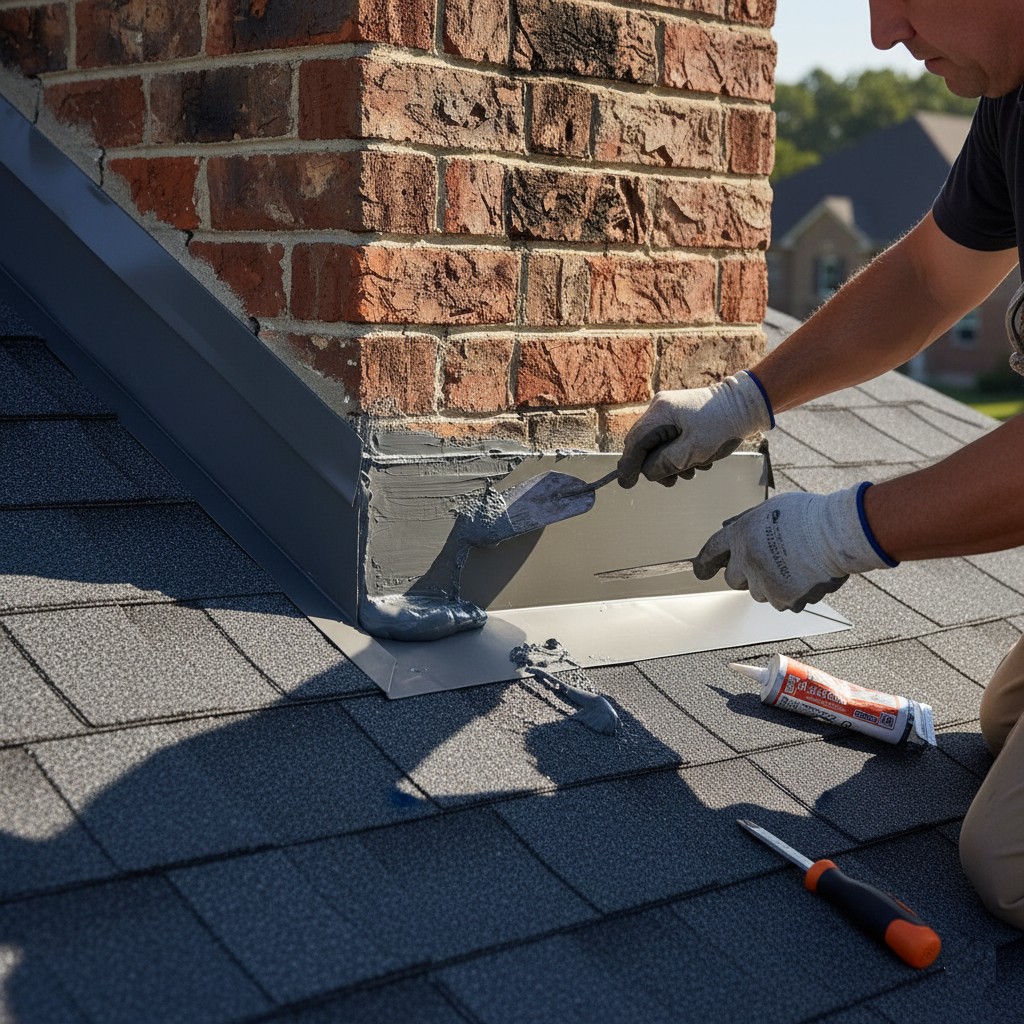
Flashing seals the gaps where your roof meets walls, chimneys, or valleys. In Chula Vista's salty breeze, corrosion hits fast. Look for lifted, rusted, or cracked metal – prime spots for leaks.
Probe gently with a putty knife. If it wiggles free, water's your uninvited guest. Fix it now, or watch rot spread like wildfire.
Vents: The Silent Blockers
- Cracked or missing vent caps? Windblown debris loves those holes.
- Clogged screens from salt buildup? Poor airflow breeds attic heat and mold.
- Stains around bases signal hidden drips.
Clear them out. A quick hose-down reveals the truth. Ignore this, and your roof cooks from the inside.
Gutters and Chimneys: Overflow and Crumble Risks
Sagging gutters mean poor drainage – hello, water pooling under shingles. Check for overflow marks or peeling paint below. Santa Anas turn clogs into catastrophes.
Chimneys? Scan for cracked bricks or flaking mortar. Our coastal fog accelerates decay. Tap bricks lightly; loose ones scream replacement time.
Interior Alerts: Attic, Ceiling, and Wall Signs of Trouble
Step inside. Your attic tells the real story. Ignore it, and leaks turn into nightmares.
Attic Wake-Up Calls
Grab a flashlight. Shine it everywhere.
- Daylight peeking through cracks? Roof's breached.
- Black mold streaks? Moisture's enemy number one in our humid air.
- Soft, spongy spots underfoot? Rot's eating your rafters alive.
- Bundles of wet insulation? It's trapping water like a sponge.
One Chula Vista homeowner missed these. His ceiling caved in during dinner.
Ceiling and Wall Warnings
Look up from your living room. Yellow-brown stains spreading? That's old roof leaks seeping through.
Sagging drywall bows like a hammock. Bubbles mean trapped water ready to burst.
- Wall discoloration near the roofline? Salt air's corrosion at work.
- Damp patches after rain? Gutters failed upstream.
- Musty smells? Hidden mold party's underway.
Catch these fast. A pro inspection stops the bleed before it floods your wallet.
Case Study: Rescuing a Chula Vista Roof from Imminent Collapse
Meet Javier, a Chula Vista homeowner who'd skipped inspections for five years. His roof looked fine from the street. But during a routine check, we spotted ground-level clues: curling shingles and gutters sagging like wet noodles.
The Climb Reveals Disaster
Up close, it got ugly. Granite tiles were cracking from relentless sun exposure. Salt buildup had eaten through the underlayment, and loose flashing around the chimney screamed trouble.
- Missing granules everywhere – a sure sign of shingle wear.
- Vents clogged with debris, trapping moisture inside.
- Attic showed water stains and soft spots on ceiling joists.
We halted everything. Full replacement hit just under $18K – way less than the $50K collapse Javier dodged when Santa Anas hit two weeks later. His roof stands strong now. Javier calls it his best call ever.
Final Words: Your Step-by-Step Plan to Inspect and Protect
Grab a notepad. Walk your driveway now. Spot those five red flags we covered? Jot them down.
Time to ladder up safely. Check shingles, flashing, and gutters close-up. Miss nothing from our climbing checklist.
Your 7-Step Action Plan
- Document everything. Snap photos of issues for your records.
- Peek inside the attic. Look for stains, dampness, or sagging.
- Clear debris from gutters pronto. Blockages breed bigger problems.
- Schedule a pro inspection if you see any warning signs. Don't DIY the fixes.
- Trim overhanging branches. They batter roofs in windstorms.
- Apply sealants to cracks. Buy time until full repairs.
- Revisit quarterly. Chula Vista weather never sleeps. Dive deeper into Roof Inspection tips anytime.
Follow this. Save thousands. Sleep sound through the next Santa Ana howl.
People Also Ask
How often should I get a roof inspection in Chula Vista?
In Chula Vista's harsh climate with salt air, intense sun, and Santa Ana winds, inspect your roof twice a year—spring and fall—or after major storms. Annual professional checks catch hidden damage early, preventing costly repairs from UV degradation or wind uplift. Homeowners can do basic visual inspections quarterly from the ground.
What are common signs of roof damage from Santa Ana winds in Chula Vista?
Look for missing or curled shingles, loose flashing around chimneys, and granule loss on asphalt roofs after high winds. These Santa Ana gusts can lift underlayment, leading to leaks during the next rain. Ground-level checks reveal debris piles or shifted tiles as early warnings.
Can I perform a DIY roof inspection checklist in Chula Vista?
Yes, start with ground-level views for sagging, bald spots, or gutter overflows, then check attic for light leaks or mold. Avoid climbing if you're not experienced, as Chula Vista's steep roofs and clay tiles pose fall risks amid salty, windy conditions. For thorough safety, hire local pros familiar with regional threats.
How do I check roof flashing and vents during a Chula Vista inspection?
Examine flashing around chimneys, vents, and skylights for rust, cracks, or separation—salt air accelerates corrosion here. Ensure vent screens are intact to block pests, and clear debris that traps moisture. Damaged flashing often leads to the hidden leaks that plague coastal Chula Vista homes.
What are the interior signs of roof trouble in Chula Vista homes?
Stains on ceilings, warped walls, or musty attic odors signal leaks from sun-damaged underlayment or wind-stripped shingles. Check for daylight through roof boards or softened insulation, common after intense UV exposure. Prompt action prevents mold growth in our humid, salty environment.

Chula Vista Roofing offers expert roofing services with extensive experience in installations, repairs, and maintenance. Serving the Chula Vista, CA community, the team delivers reliable solutions tailored to local homes and businesses. Their deep knowledge of the area's climate ensures durable, high-quality results.
Need Roofing?
Fast roof repairs and installations in Chula Vista, CA and nearby areas (91910, 91911, 91913, 91915), delivering leak-proof protection and weather resistance in days.
Get Roof Quote