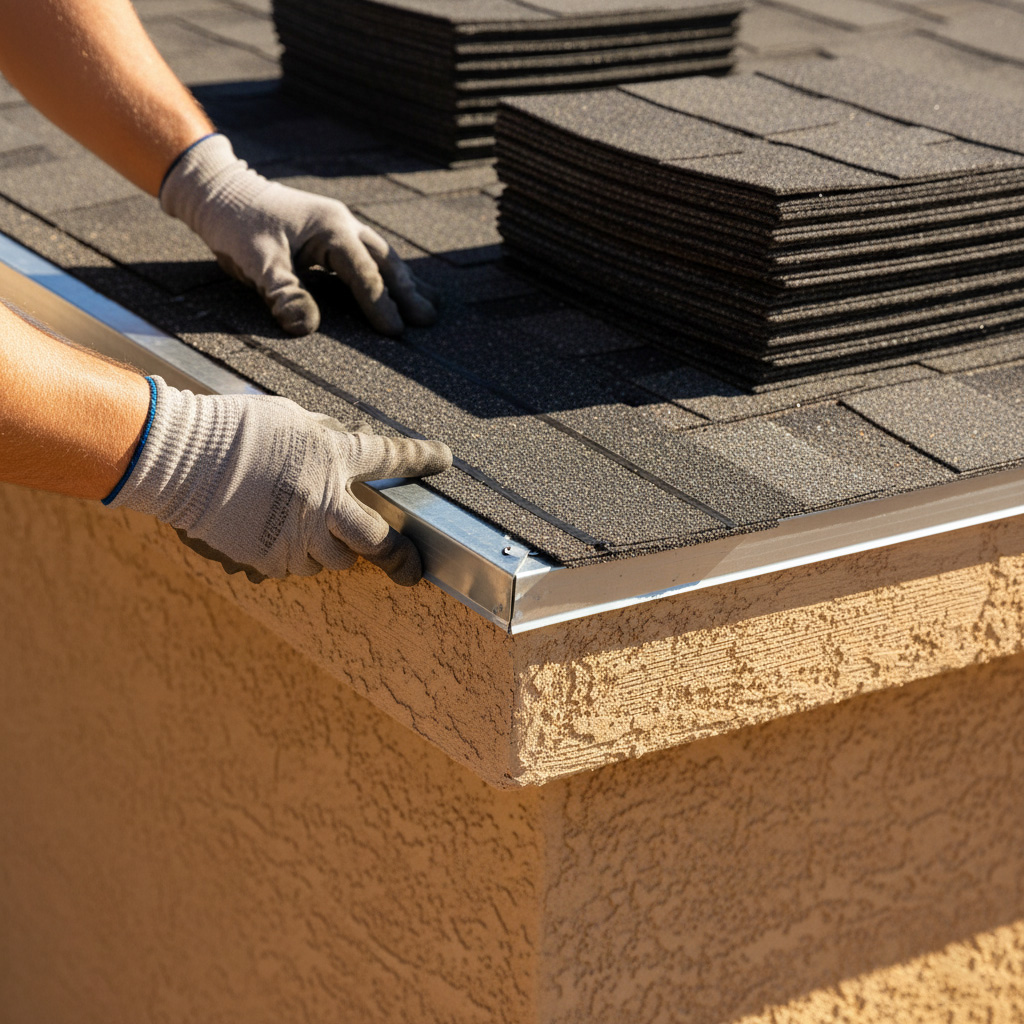


⚡ TL;DR: Learn key steps for tile roof installation in Chula Vista, CA, from selecting durable coastal materials and essential prep work to proven techniques that prevent leaks, cracks, and wind damage.
📋 What You’ll Learn
Discover expert secrets to installing tile roofs in Chula Vista, CA, from climate-specific strategies to flawless execution, ensuring longevity against coastal winds, salt air, and intense sun.
- Master Chula Vista's unique climate challenges by learning how humidity, wind, and sun exposure demand precise techniques for tile roofs that endure without cracking or lifting.
- Select durable tile materials for coastal resilience including clay vs. concrete options, color choices for heat reflection, and profiles that shed water efficiently in rainy seasons.
- Execute critical prep work flawlessly covering underlayment choices, flashing details, and solid foundations to prevent leaks and structural failures common in local installations.
- Follow step-by-step laying and securing methods with pro alignment tips, fastening secrets, and ridge capping to achieve a watertight, wind-resistant finish every time.
- Avoid leaks, cracks, and wind damage pitfalls through insider tips, real case studies, and maintenance advice tailored to Chula Vista's bungalows and modern homes.
📖 Reading time: 7 min
✍️ Author expertise: Chula Vista roofing pro with 20+ years of field-tested tile installations in coastal conditions.
Ever watched your neighbor's tile roof gleam like new after a brutal Chula Vista summer, while yours looks beat-up and ready to quit?
That's no accident. The difference boils down to a handful of installation tricks most roofers botch, leaving homeowners with leaks, cracks, and sky-high repair bills.
Want the real playbook for a tile roof that laughs at our coastal heat and lasts decades? Let's dive into the secrets right now.

Why Chula Vista's Climate Demands Precision Tile Roof Installation
Chula Vista packs a punch with its coastal weather. Think scorching summers pushing 90 degrees, salty ocean breezes that corrode everything, and sudden wind gusts up to 50 mph. Tile roofs here don't just sit pretty. They battle expansion from heat, moisture from fog, and seismic shakes from nearby faults.
Sloppy installation? Forget it. Tiles crack under thermal stress without proper spacing. Salt air eats at weak flashing, inviting leaks that rot your rafters. One high wind event, and poorly secured tiles fly off like shingles in a hurricane.
Precision fixes that. Here's what makes it non-negotiable:
- Expansion gaps: Heat swells clay tiles up to a quarter-inch. Skip them, and cracks spiderweb overnight.
- Wind-resistant battens: Double-nail every tile to laugh at gusts.
- Seismic straps: Lock it down against quakes common in San Diego County.
Get this right, and your roof shrugs off Chula Vista's worst for 50 years.
Selecting the Perfect Tile Materials for Coastal Durability
Chula Vista's salty ocean breezes and pounding sun chew through weak roofs fast. Pick the wrong tile, and you're staring at faded colors and crumbling edges in just a few years. Go for clay tiles fired at high temps—they shrug off salt spray and hold their shape through brutal heat cycles.
Concrete tiles tempt with lower upfront costs, but only top-grade ones with low water absorption survive our coastal beatings. Skip the cheap imports; they crack under UV rays and wind gusts. Stick to tiles rated for high-velocity hurricane zones if you want real longevity here.
Quick Checklist for Bulletproof Tile Picks
- Clay or concrete with under 3% water absorption.
- UV-stabilized pigments—no fading after 20 years.
- Manufacturer warranty covering coastal corrosion.
- Light colors to beat the heat (darker ones bake your attic).
Local pros swear by these specs because they've seen the failures firsthand. Test samples against our South Bay fog and sun before committing.
Critical Prep Work: Underlayment, Flashing, and Foundation Essentials
Underlayment: Your First Line of Defense
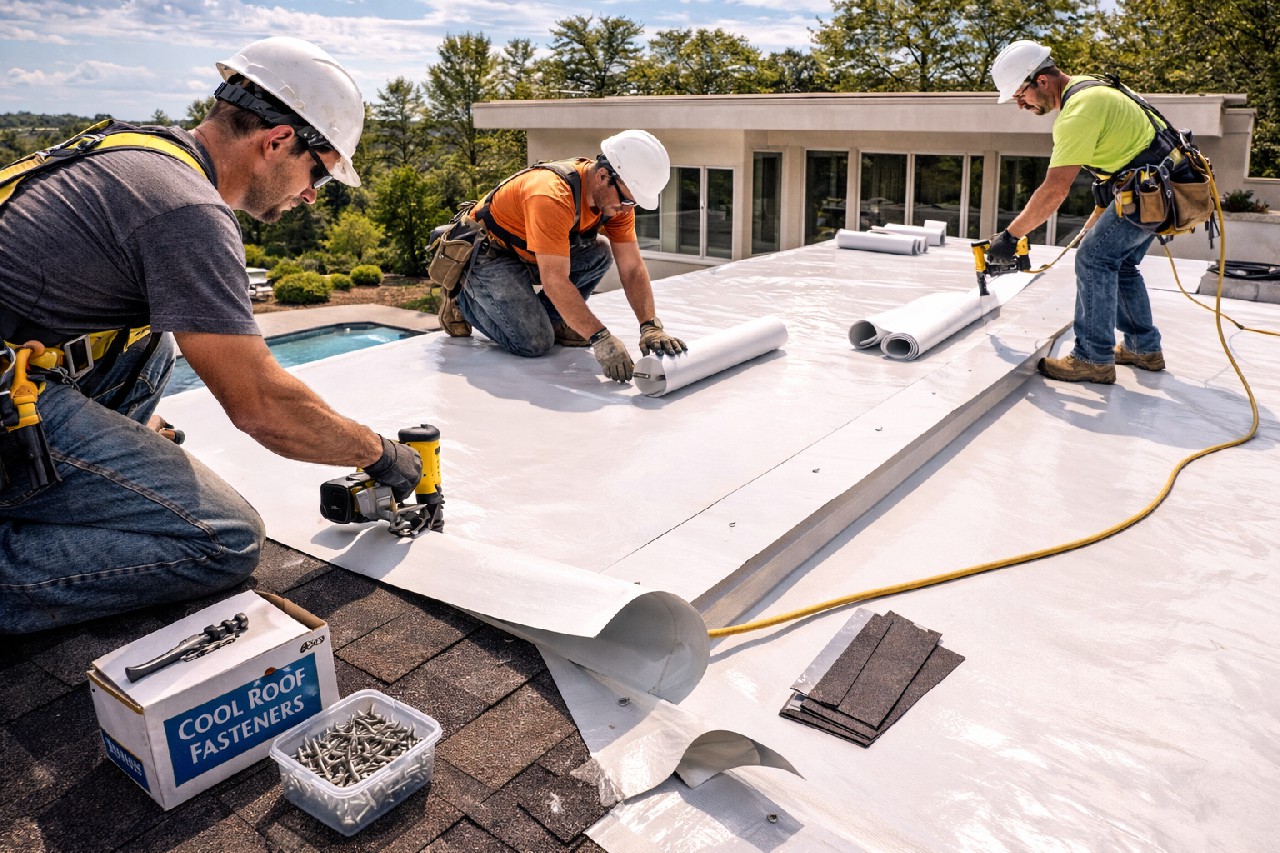
Skip this, and moisture sneaks in like a thief during Chula Vista's foggy mornings. Go for high-temp synthetic underlayment that shrugs off our coastal humidity and UV blasts. Lay it flat, overlap seams by six inches, and seal with tape - no shortcuts.
Why bother? It channels water away from your tiles, preventing rot that turns a new roof into a money pit fast.
Flashing: Seal the Gaps That Kill Roofs
Chimneys, vents, valleys - these spots love to leak in our salty winds. Use heavy-gauge aluminum or copper flashing, bent precisely and nailed every six inches. Counter-flash where it meets walls for a watertight lock.
- Step 1: Clean surfaces bone-dry before install.
- Step 2: Bed in sealant, not just nails.
- Step 3: Test with a hose right there on site.
Foundation: Build on Rock, Not Sand
Your decking sets the stage - warped plywood means cracked tiles tomorrow. Inspect for soft spots, replace with CDX plywood rated for roofs, 5/8-inch thick minimum. Space boards a quarter-inch apart for expansion in our heat waves.
Pro move: Add ice-and-water shield in valleys and eaves. It sticks like glue, buying you years against sudden storms.
Step-by-Step Secrets to Flawless Tile Laying and Securing
Start with a dry run. Lay out your tiles on the ground in the exact pattern you'll use. This catches mismatches before they wreck your roofline.
Tile Placement: Nail the Pattern
Begin at the eaves. Work up in staggered rows, overlapping by at least 3 inches. Keep rows level with a chalk line every few courses, or wind will lift them like sails.
- Snap a chalk line every 3-4 rows.
- Stagger joints by half a tile.
- Double-check exposure: 9-10 inches max in our coastal sun.
Secure from the top down. Use corrosion-resistant nails or screws through the tile's head or notch. Two fasteners per tile minimum, driven straight to avoid cracks.
Locking It Down Against Gusts
Hit the hips and ridges last. Cut tiles precisely with a wet saw for tight fits. Foam adhesive under ridges adds that extra grip against Chula Vista's sneaky Santa Ana winds.
Inspect every 100 square feet. Tap tiles for hollow sounds, signaling loose spots. Fix on the spot, or leaks will find you later.
Pro Tips to Dodge Leaks, Cracks, and Wind Damage Disasters
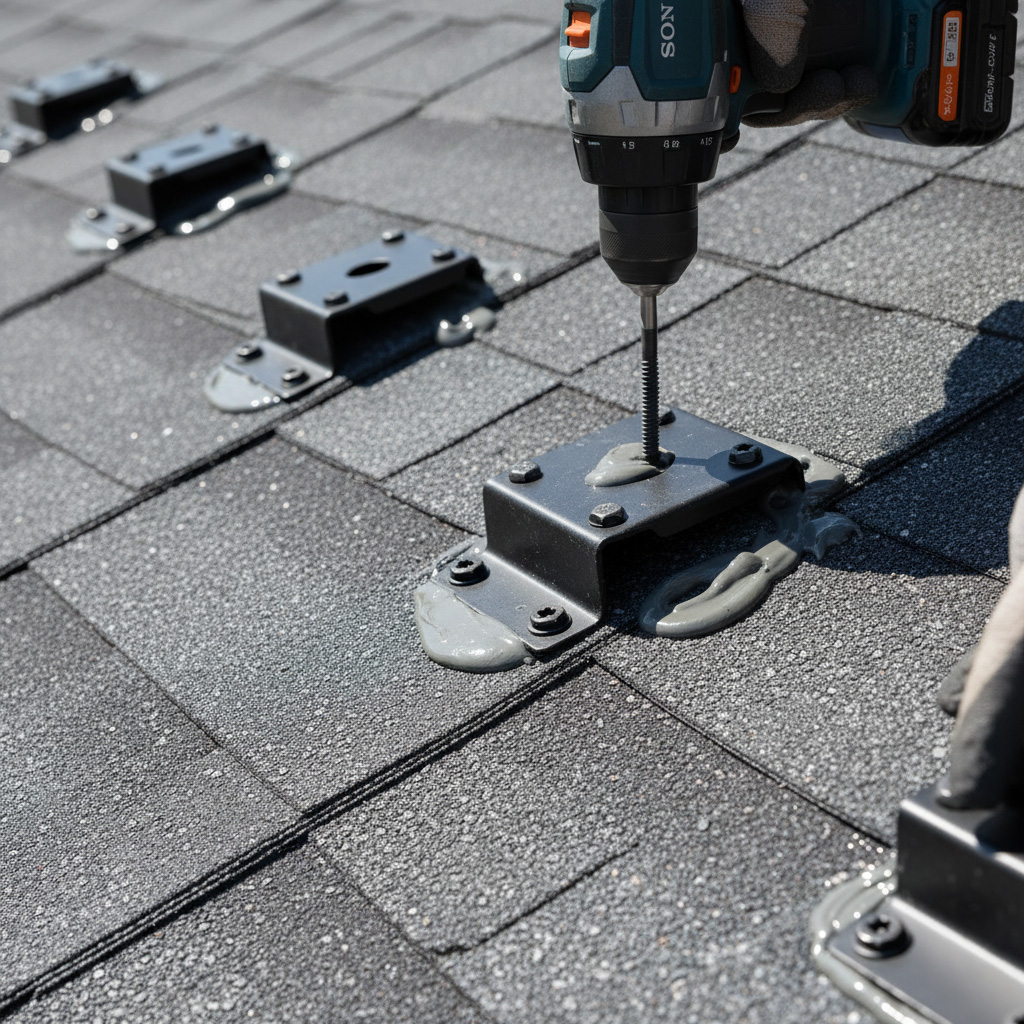
Leaks sneak in where most folks skimp. Skip cheap sealants. Go for high-heat butyl tape around penetrations. It flexes with our coastal swings, sealing tight for years.
Beat Cracks Before They Start
- Leave a 1/8-inch gap between tiles. Lets them expand without popping.
- Embed tiles in mortar beds, not just nailed. Cushions against quake shakes.
- Inspect valleys yearly. Re-point with polymer-modified mortar to stop hairline fractures.
Wind here whips up to 50 mph easy. Nail tiles with double corrosion-resistant fasteners. One per batten won't cut it. Use clips under every tile edge for that bombproof hold.
Bonus move: Slope your eaves right. A 1/4-inch per foot overhang sheds gusts like water off a duck.
Case Study: Reviving a Chula Vista Bungalow with Expert Tile Installation
The Sorry State Before We Stepped In
Picture this: a charming 1950s bungalow in Eastlake, tiles cracking from relentless sun and salty gusts off the bay. Water pooled in valleys during rare rains. The owner faced $15K in emergency patches over two years.
Standard roofs here crumble fast without the right setup. This one screamed for a total redo.
Our No-BS Overhaul
We stripped it clean, laid synthetic underlayment rated for coastal corrosion, and flashed every joint with heavy-duty copper. Barrel tiles in terra cotta locked in tight with S-clips – no shortcuts.
- Custom battens spaced dead-on for expansion.
- Valley liners doubled up against wind-driven rain.
- Ridge vents tuned for killer airflow, dodging heat buildup.
Two Years Later: Ironclad Results
Zero leaks. Tiles still pop like new against that Chula Vista blue sky. Energy bills dropped 18% from better insulation.
Homeowner's verdict? "Best investment ever." Proof these secrets deliver when hacks fail.
Final Words
Tile roofs in Chula Vista aren't just coverings. They're your frontline defense against relentless sun, salt air, and wild winds.
Get the installation right, and you're set for 40+ years of zero headaches. Botch it? Brace for endless fixes that drain your wallet.
Ready to Bulletproof Your Roof?
- Skip the amateurs chasing quick bucks.
- Hire pros who nail every secret we just unpacked.
- Transform your home into a coastal fortress that turns heads.
Craving more details? Check our full guide on Tile Roof Installation. Your dream roof starts with one call.
People Also Ask
How much does tile roof installation cost in Chula Vista, CA?
Tile roof installation in Chula Vista typically ranges from $15,000 to $40,000, depending on roof size, tile type, and labor complexity. Coastal conditions like salt air and wind uplift add to costs for premium materials and secure fastening. Contact local experts for a precise quote tailored to your home's needs.
What is the best tile material for Chula Vista's coastal climate?
Clay or concrete tiles with high wind ratings and salt resistance, such as barrel or flat profiles, excel in Chula Vista's humid, windy environment. These materials withstand UV exposure and thermal expansion without cracking. Choose low-profile tiles for better aerodynamics against coastal gusts.
How long does professional tile roof installation take in Chula Vista?
A standard single-story home in Chula Vista takes 5-10 days for tile roof installation, factoring in prep, underlayment, and securing. Larger or steep roofs may extend to two weeks due to weather delays common in coastal areas. Experienced crews minimize downtime with efficient staging and tools.
Can you install a tile roof DIY in Chula Vista, CA?
DIY tile roof installation is not recommended in Chula Vista due to the technical precision required for flashing, underlayment, and wind-resistant securing. Local building codes demand professional certification to avoid leaks and structural failures in harsh coastal weather. Hiring certified roofers ensures warranty coverage and code compliance.
How do you prevent leaks in tile roofs in Chula Vista's climate?
Install high-quality synthetic underlayment and robust step flashing around penetrations to seal against Chula Vista's frequent rains and fog. Use proper tile spacing and bird stops to prevent water intrusion and debris buildup. Regular inspections by pros catch issues early, extending roof life in salty coastal air.

Chula Vista Roofing delivers expert roofing services with extensive experience in installations, repairs, and maintenance. Their team focuses on the unique needs of Chula Vista homes and businesses, adapting to the local coastal climate. Committed to the community, they provide reliable solutions for residents throughout Chula Vista, CA.
Need Roofing?
Fast roof repairs and installations in Chula Vista, CA and nearby areas (91910, 91911, 91913, 91915), delivering leak-proof protection and weather resistance in days.
Get Roof Quote